




Free Plan: Enjoy 7 days of premium support for one requested club.
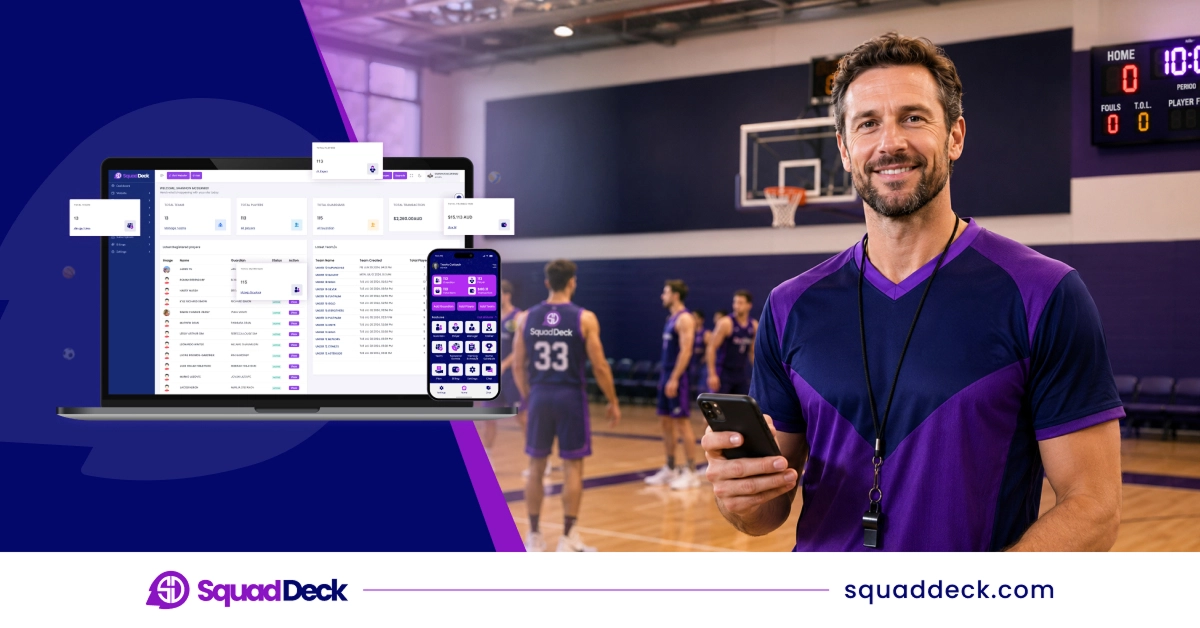
European Sports Club Management Software for Everyone: Why Clubs Across the Continent Are Making the Switch
From a five-a-side football club in Manchester to a youth handball academy in Berlin, and a padel club in Barcelona, sports organisations across Europe share the same daily headache: too many spreadsheets, too many WhatsApp groups, and not enough hours in the day. Membership forms live in one inbox, payment records live in another, and match schedules get updated manually every single week.
Europe’s sports club market is not shrinking — it is expanding fast. The continent’s sports team and club sector was valued at roughly USD 27 billion in 2026 and is projected to grow at nearly 9% annually through 2031, driven by rising participation, digital fan engagement, and demand for more professional club operations. As clubs grow, the manual systems that worked for a 20-member team start to break down at 200 members, three age groups, and five coaches.
This is exactly the gap that dedicated sports club management software is built to close — and it’s why more clubs across the UK, Germany, France, Spain, the Nordics, and beyond are adopting all-in-one platforms like SquadDeck instead of piecing together spreadsheets, group chats, and separate payment tools.
Why “European” Clubs Have Unique Management Needs
Sports clubs in Europe don’t operate like large franchise organisations in the US. Most are community-rooted, multi-sport, and run largely by volunteers or small part-time staff. A few things make the European club landscape distinct:
- Multi-currency, multi-payment reality. A club in the Netherlands may need iDEAL-style card processing, while a club in the UK relies on Stripe or direct debit. Software built for one payment ecosystem often fails clubs operating across borders or with international members.
- Multi-sport, multi-age structures. Many European clubs run several sports and age divisions under one umbrella (a classic “Sportverein” model in Germany, for example), which means the software needs to separate teams, guardians, and schedules cleanly — not just manage a single roster.
- Strong guardian and safeguarding expectations. With large numbers of junior and youth players, clubs must track guardian consent, communication, and attendance carefully, in line with national safeguarding and data protection (GDPR) standards.
- Volunteer-run administration. Committee members often have full-time jobs elsewhere, so software has to be simple enough for a treasurer or team manager to use without training, not just for a dedicated IT department.
A platform built “for everyone” has to solve for all of this — not just for professional academies with big budgets, but for the grassroots five-a-side club running on volunteer hours and a shared spreadsheet.
The Real Cost of Running a Club Without the Right Software
Before looking at solutions, it’s worth naming the problems clearly, because most clubs underestimate how much time and money they lose to manual processes:
- Chasing membership fees manually. Bank transfers, cash payments, and unpaid invoices consume hours every month that could go toward coaching or player development.
- Communication chaos. WhatsApp and Facebook groups get noisy fast, important announcements get buried, and there’s no reliable way to confirm who actually saw a message.
- Scheduling conflicts. Multiple teams sharing pitches, courts, or halls need centralised scheduling — not five separate calendars that don’t talk to each other.
- No professional online presence. Many smaller clubs still don’t have a proper website, which hurts recruitment of new players, sponsors, and parents searching online for a local club to join.
- Data scattered everywhere. Player details, guardian contacts, medical notes, and payment history end up split across email, paper forms, and someone’s personal phone — a real risk from both an operational and a compliance standpoint.
These aren’t small inconveniences. Multiplied across a season, they translate into lost registrations, delayed payments, and volunteer burnout — one of the most common reasons small clubs struggle to retain committee members year after year.
What “Software for Everyone” Should Actually Mean
Not every club needs the same tools. A rugby academy with 300 members has different needs from a community netball club with 25. Good sports club management software should scale with the club, not force every organisation into the same rigid structure. That means:
- Flexible plans — from a free tier for small clubs just getting started, to advanced plans for larger academies managing hundreds of players across multiple teams.
- Sport-agnostic design — the same core system should work whether the club plays football, rugby, netball, cricket, hockey, basketball, volleyball, or baseball, with room to add more sports as the club grows.
- Multilingual, multi-market readiness — since European clubs often communicate with international families, parents, and sponsors.
- Mobile-first access — because most committee members, coaches, and parents manage club life from their phones between work and school runs, not from a desktop.
How SquadDeck Brings This Together
SquadDeck was built around this exact philosophy: one platform that adapts to the club, not the other way around. Here’s how it addresses the core challenges European clubs face every season:
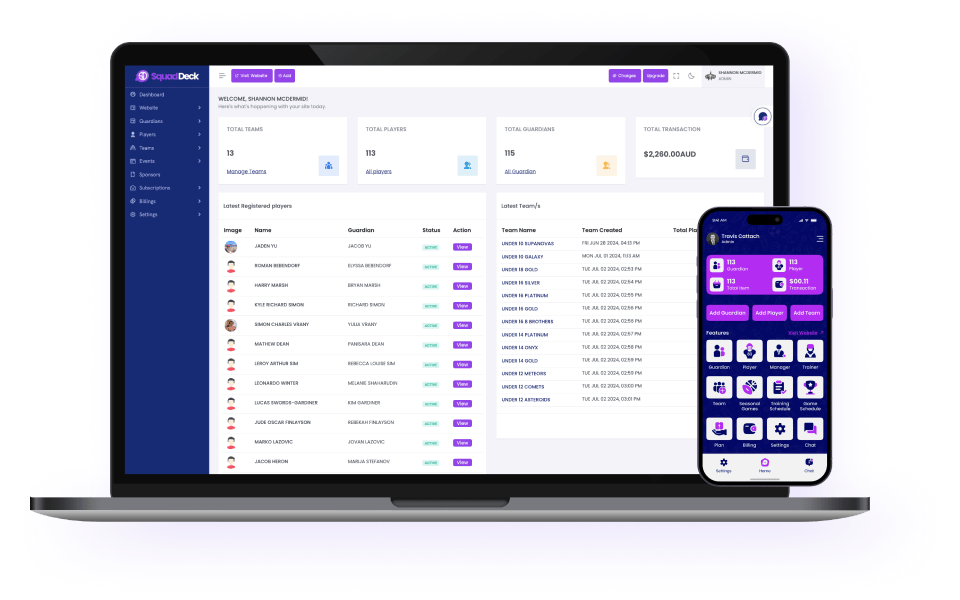
1. Guardian & Player Management
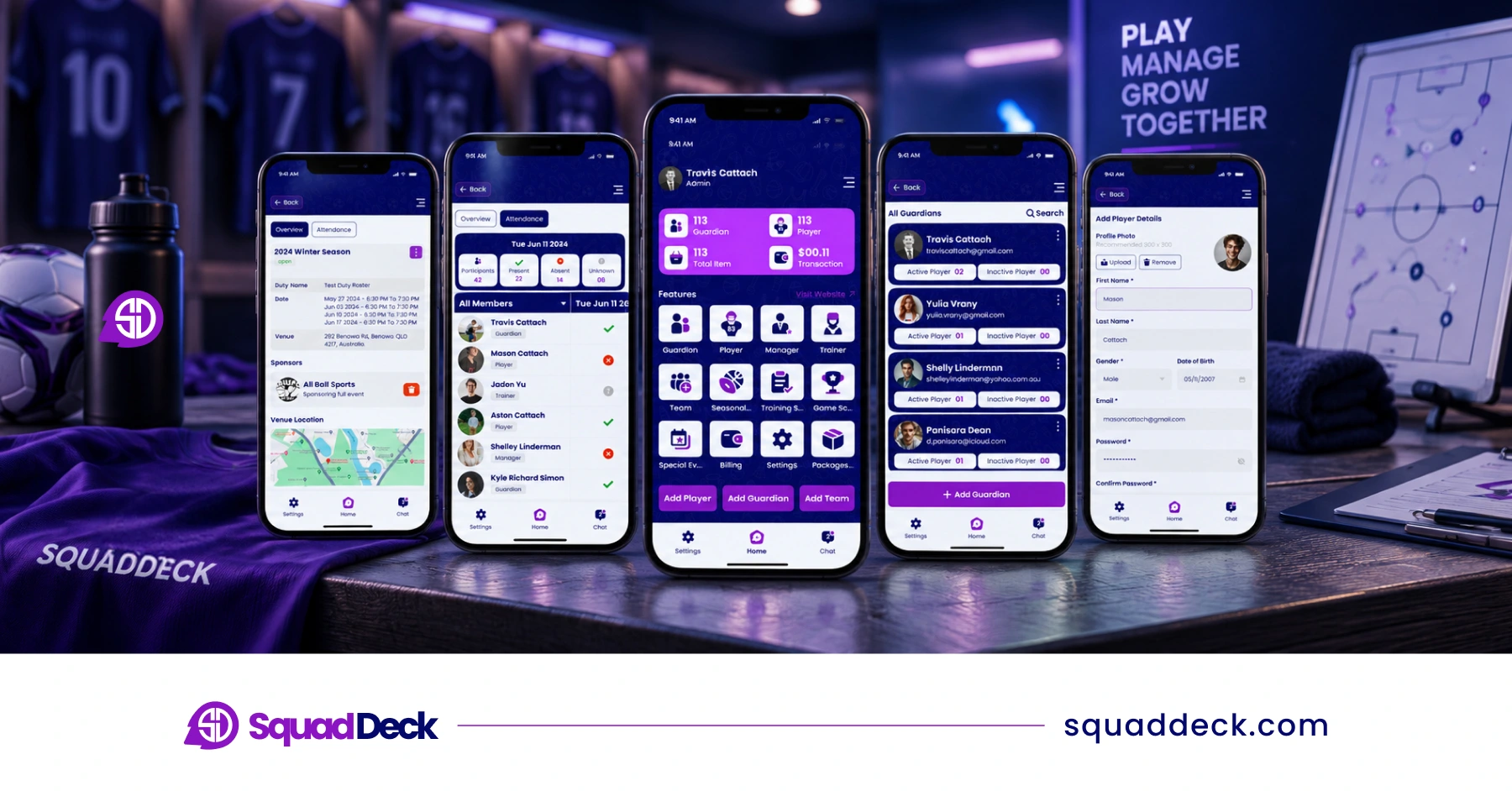
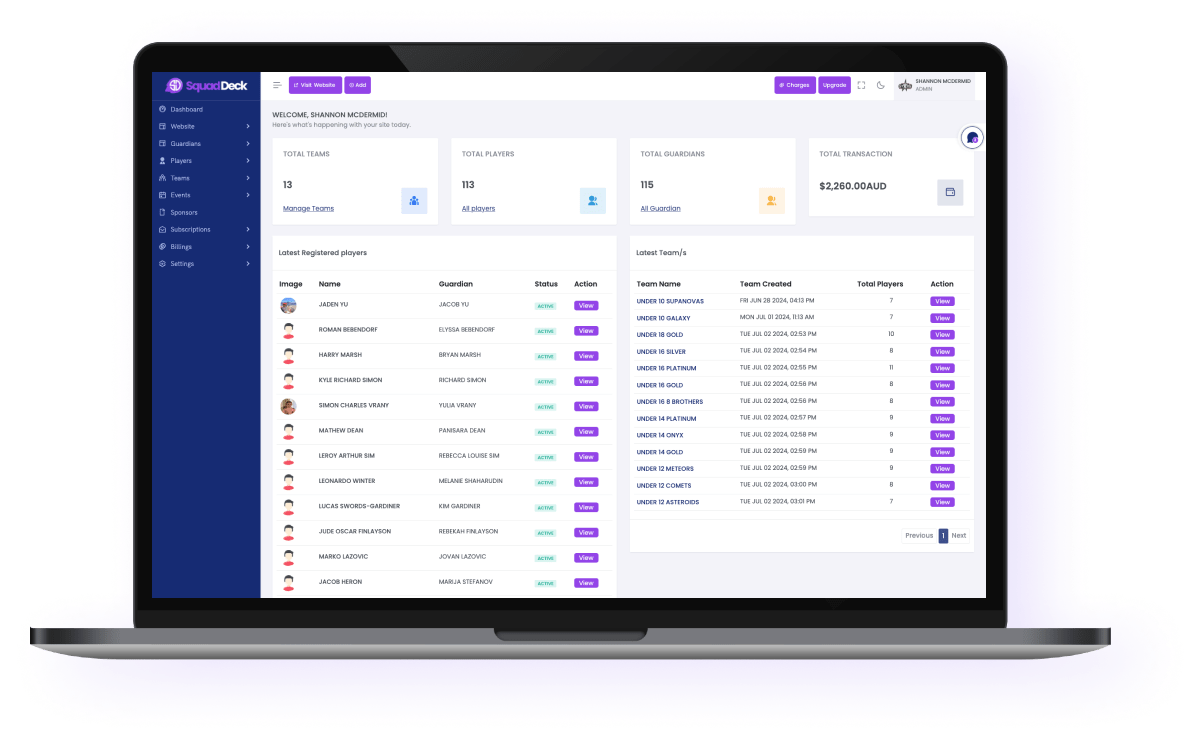
All player and guardian records live in one secure place — registration details, contact information, and consent forms — replacing scattered spreadsheets and paper sign-up sheets.

2. Team & Multi-Sport Management
Clubs running multiple teams or multiple sports can manage every group from a single dashboard, with clear separation between age groups, squads, and divisions.
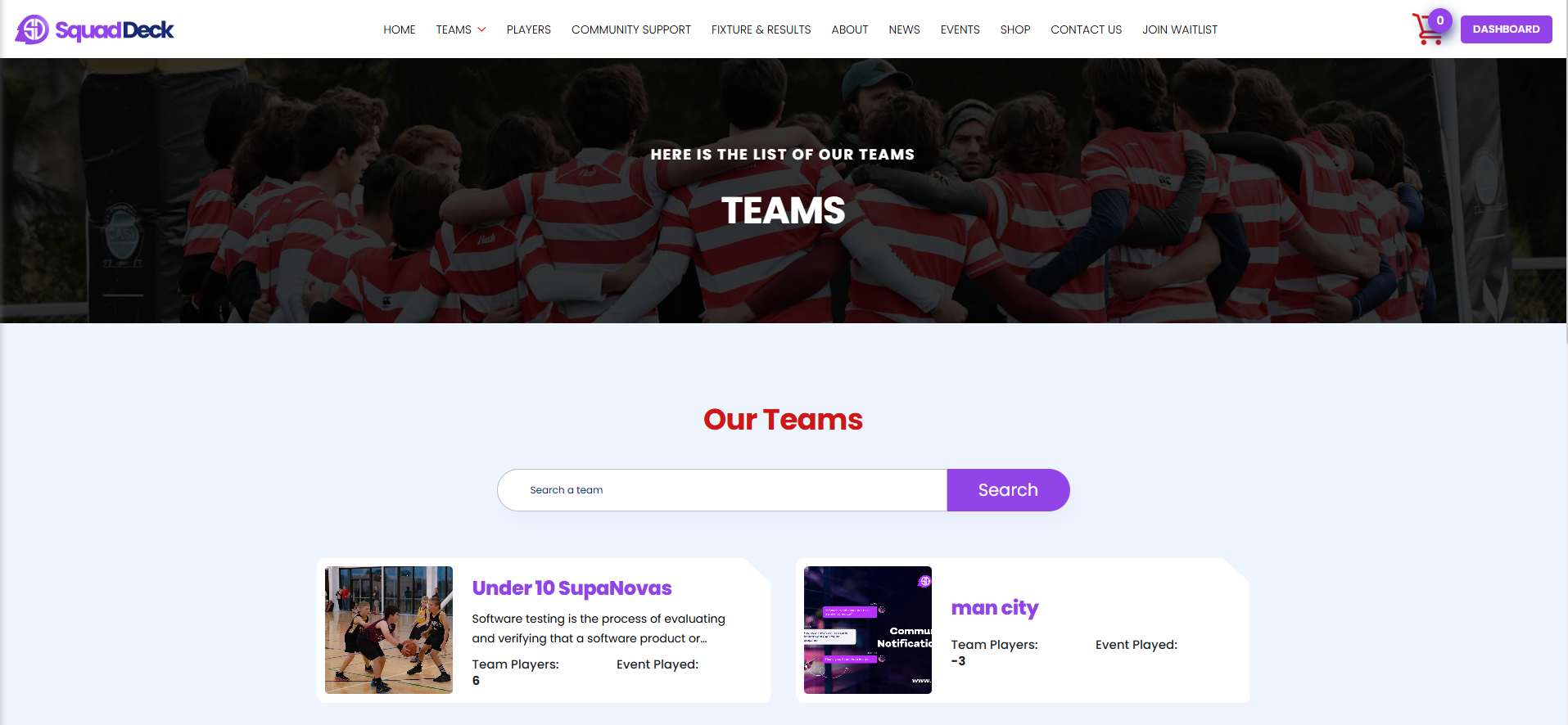
3. Scheduling & Event Management
Training sessions, matches, and tournaments can be scheduled centrally and shared automatically with the right players, coaches, and parents — no more juggling five different calendars for one pitch.

4. Real-Time Chat & Notifications
Built-in messaging replaces chaotic WhatsApp threads, giving clubs a dedicated, trackable channel for announcements, reminders, and team-specific updates.
5. Secure, Flexible Payments
With support for major payment gateways, clubs can automate membership fees, event payments, and merchandise sales, cutting down on the manual chasing that eats up committee members’ time.
6. Custom Club Websites & E-Commerce
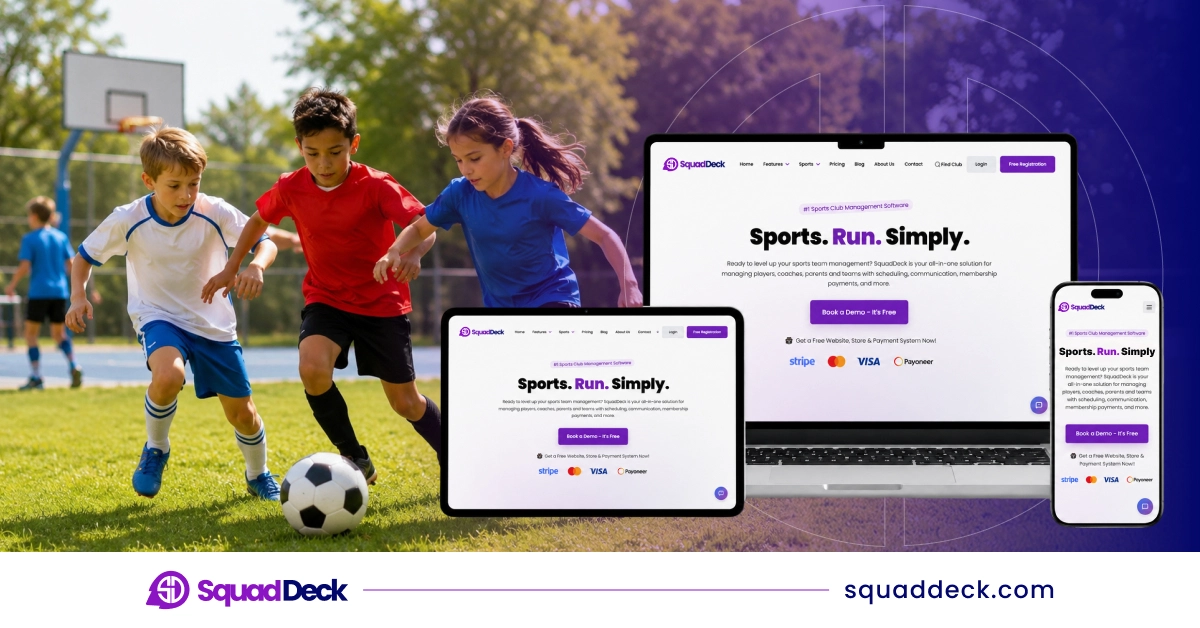
Every club gets access to a professional, ready-to-use website — a critical tool for attracting new members, sponsors, and parents who search online before choosing a club — along with an integrated store for kits and merchandise.
7. Mobile Apps for Every Stakeholder
Coaches, players, and parents can access schedules, payments, and messages from a dedicated mobile app, keeping the whole club connected on the go.
This combination is what makes SquadDeck genuinely usable “for everyone” — a five-person committee running a local football club and a 300-member multi-sport academy can both operate on the same platform, scaling their plan as they grow.
Frequently Asked Questions
Is sports club management software only for large clubs?
No. Most platforms, including SquadDeck, offer free or low-cost entry tiers designed specifically for small and growing clubs, with the option to upgrade as membership numbers increase.
Can one platform really support different sports?
Yes — well-designed platforms separate teams, schedules, and communication by sport and age group, so a multi-sport club can manage football, rugby, netball, and other sections without needing separate systems.
Does club management software help with GDPR and data protection?
Centralising player, guardian, and payment data in one secure system, rather than spreadsheets and personal devices, is generally a stronger foundation for meeting European data protection expectations than manual record-keeping.
How long does it take a club to switch to new software?
Most clubs can migrate core data — player lists, guardian contacts, and team structures — within a few days, especially when the platform offers guided onboarding and free setup support.
Final Thoughts
European sports clubs are growing, diversifying, and professionalising — but the tools many of them still rely on haven’t kept pace. Spreadsheets, group chats, and manual bank transfers were never designed to run a modern, multi-team, multi-sport organisation.
SquadDeck was built to close that gap: one platform covering registration, scheduling, communication, payments, and a professional online presence, flexible enough for a small grassroots club and robust enough for a large academy. Whether your club plays football in Lisbon, hockey in Rotterdam, or basketball in Vienna, the goal is the same — spend less time on admin, and more time on the sport itself.
Ready to see it in action? Book a free demo with SquadDeck and find out how your club can run simply, wherever in Europe you’re based.
Latest Sports